
All MCP Servers Complete list of MCP server implementations, sorted by stars

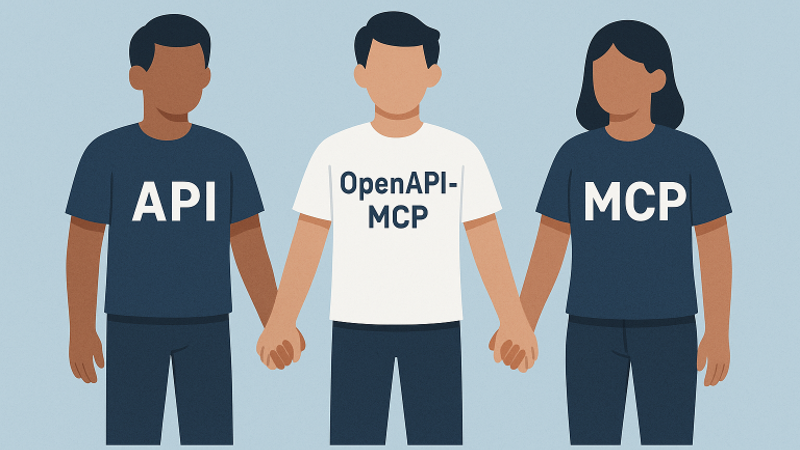
The OpenAPI to Model Context Protocol (MCP) proxy server dynamically translates OpenAPI specifications into standardized MCP tools, resources, and prompts. This simplifies integration by eliminating the need for custom API wrappers. It supports OAuth2 authentication, JSON-RPC 2.0 compliance, and generates contextual prompts to assist LLMs in understanding API usage.

MacPilot CLI is an open-source tool that allows Large Language Models (LLMs) to perform various operations on macOS systems through the Model Control Protocol (MCP). It provides a collection of system tools, such as executing shell commands, managing applications, and controlling the mouse cursor, enabling AI assistants to interact seamlessly with macOS environments. This tool is designed for macOS 14.0 (Sonoma) or later and requires specific permissions for full functionality.

This MCP server facilitates text-to-image generation by integrating with the Stable Diffusion WebUI API, supporting features like image upscaling, model management, and customizable generation parameters. It provides a streamlined interface for generating and enhancing images using Stable Diffusion models.

LMStudio-MCP creates a bridge between Claude (with MCP capabilities) and your locally running LM Studio instance. This allows Claude to check the health of your LM Studio API, list available models, get the currently loaded model, and generate completions using your local models. It combines Claude's capabilities with your private models, enabling seamless integration and enhanced functionality.
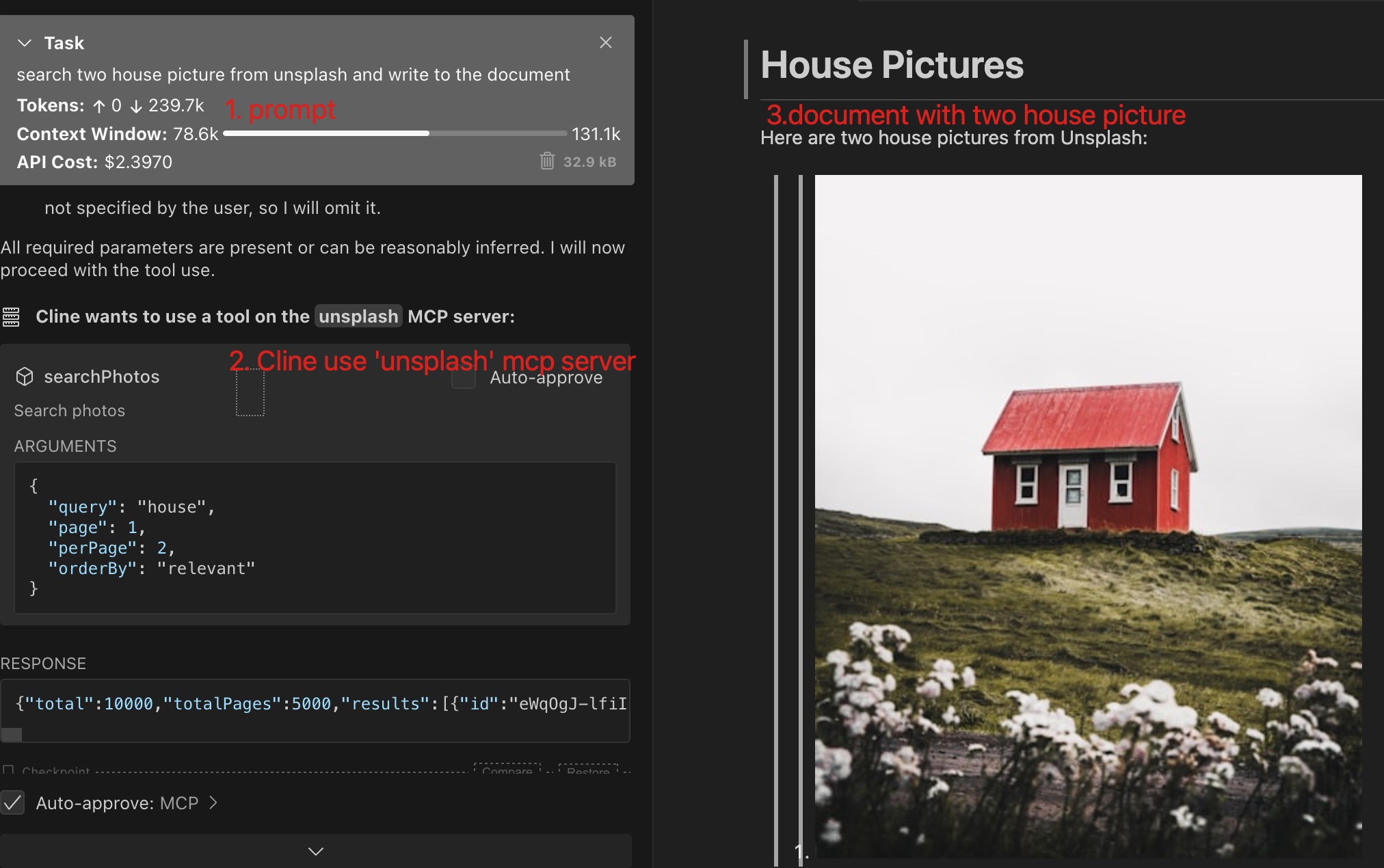
The Unsplash Image Search MCP Server is a Java implementation of the Model Context Protocol (MCP) that enables users to search and retrieve images from Unsplash. It provides an easy-to-use interface for integrating Unsplash's image search functionality into applications. The server is built using Spring Boot and can be configured with an Unsplash access key to fetch images based on user queries.

The OpenSCAD MCP Server allows users to create parametric 3D models from text descriptions or images. It integrates AI image generation from Google Gemini or Venice.ai APIs, multi-view image reconstruction, and OpenSCAD for parametric modeling. The server supports remote processing for computationally intensive tasks like CUDA Multi-View Stereo, enabling efficient 3D model generation and export in various formats.

The Kuzu Database MCP Server provides a Model Context Protocol interface to interact with Kuzu databases. It allows Large Language Models (LLMs) to inspect database schemas, execute Cypher queries, and generate queries from natural language inputs. The server supports both Docker and Node.js setups, making it versatile for development and production use. It also includes a read-only mode for secure database interactions.

The Playwright MCP server provides browser automation capabilities by leveraging Playwright's accessibility tree, allowing LLMs to interact with web pages without relying on screenshots or vision models. It supports features like web navigation, form-filling, and data extraction, and offers deterministic tool application for reliable interactions. The server is lightweight, LLM-friendly, and integrates seamlessly with tools like VS Code for enhanced development workflows.

Light MCP Agents is a composable framework designed to create hierarchical AI agent systems. It allows specialized agents to delegate tasks, share capabilities, and collaborate to solve complex problems. The framework is configuration-driven, enabling the quick setup of sophisticated agent networks without extensive coding. It supports multi-agent workflows and integrates with external tools and servers, making it ideal for AI-driven research and task automation.
The Gemini Context MCP Server is a powerful implementation of the Model Context Protocol (MCP) that utilizes Gemini's extensive 2M token context window for advanced context management and caching. It supports session-based conversations, semantic search, and efficient API caching to optimize token usage and reduce costs. This server is compatible with MCP tools like Cursor, Claude Desktop, and VS Code, making it ideal for AI-enhanced development environments.
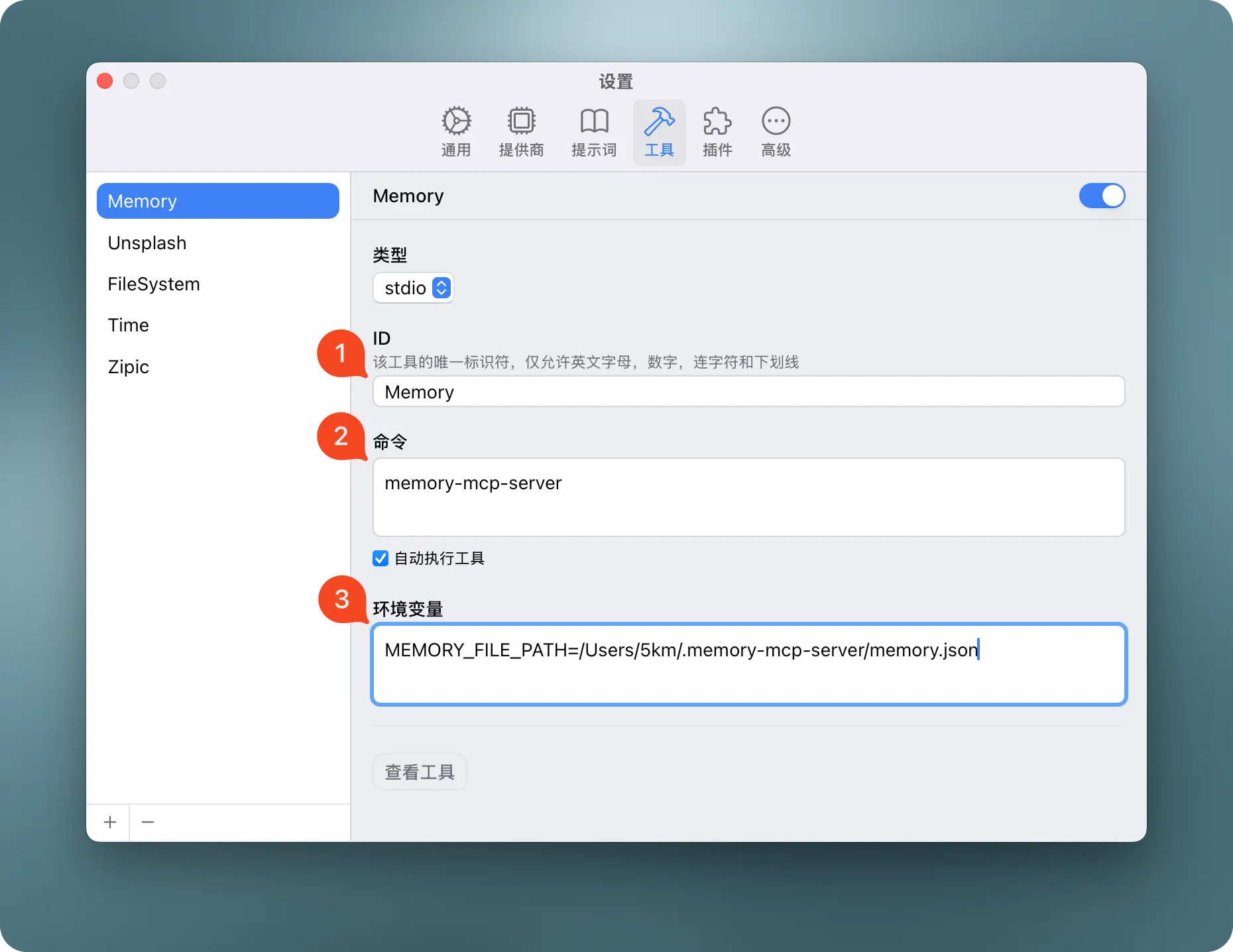
This MCP server enables AI assistants to access and manipulate time-related data, including current time queries, timezone conversions, and daylight saving time information. Built using the MCP Swift SDK, it integrates seamlessly with tools like Claude, Cursor, and ChatWise, making it ideal for international meeting planning, travel coordination, and time-sensitive operations.
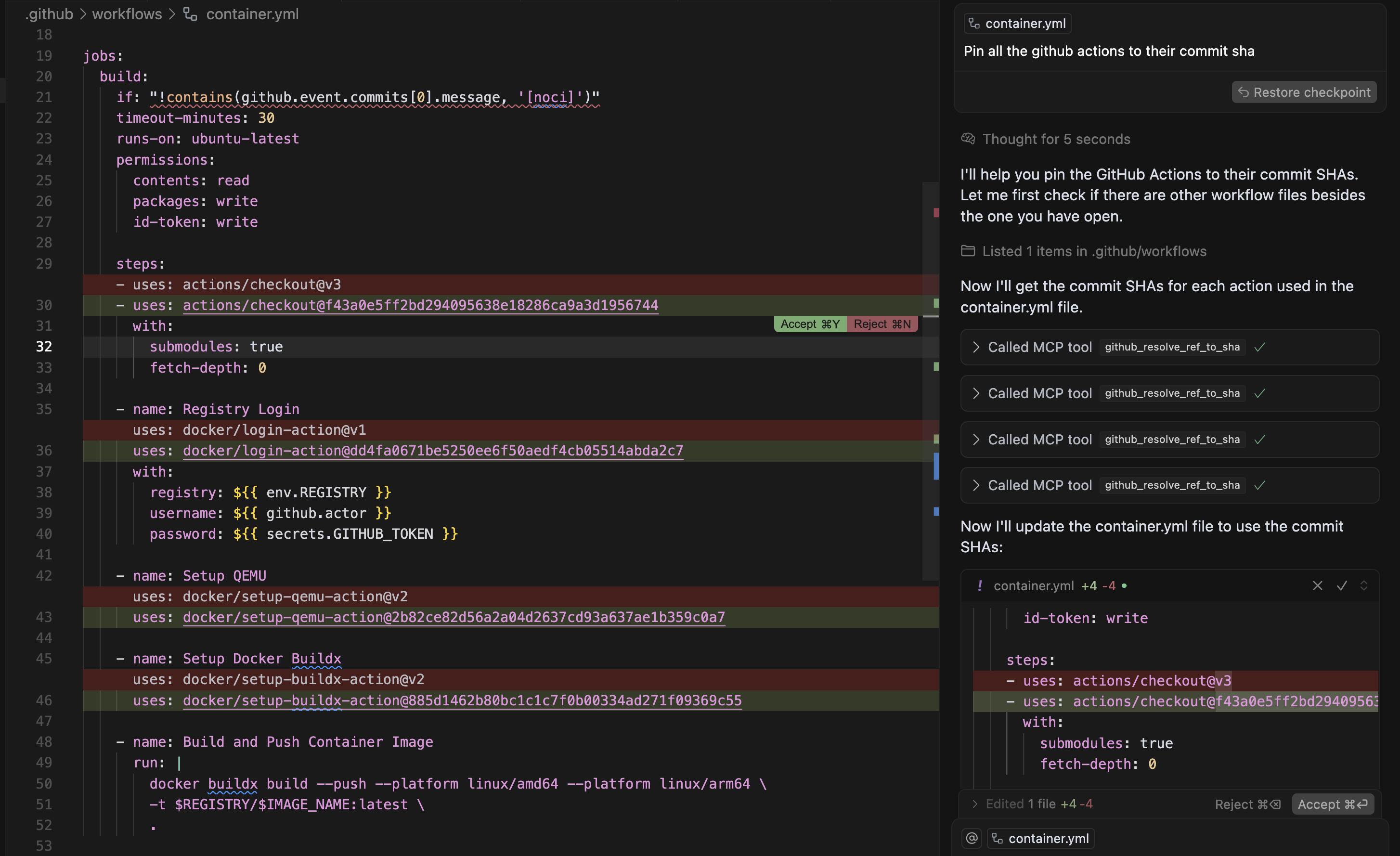
The Pinner MCP Server is designed to ensure the immutability of 3rd party dependencies by pinning them to specific versions or digests. It supports various dependency types, including Docker base images and GitHub Actions. The server can be run as a container and integrates with tools like Cursor for seamless usage. It helps in maintaining security and consistency by preventing the use of mutable or potentially compromised dependencies.

The Feishu MCP Server is designed to facilitate seamless integration between AI models and Feishu services through the Model Context Protocol. It provides features such as document services, bot messaging, chat management, and multi-mode support including STDIO and HTTP modes. Built with TypeScript, it ensures type safety and modularity, making it easy to extend and integrate with other Feishu APIs.
This MCP server transforms Markdown files into beautifully styled PDFs by leveraging VS Code's markdown styling and Python's ReportLab library. It includes features for note storage, summarization, and integration with tools like Claude. The server is designed for developers looking to automate Markdown to PDF conversion with customizable styles.
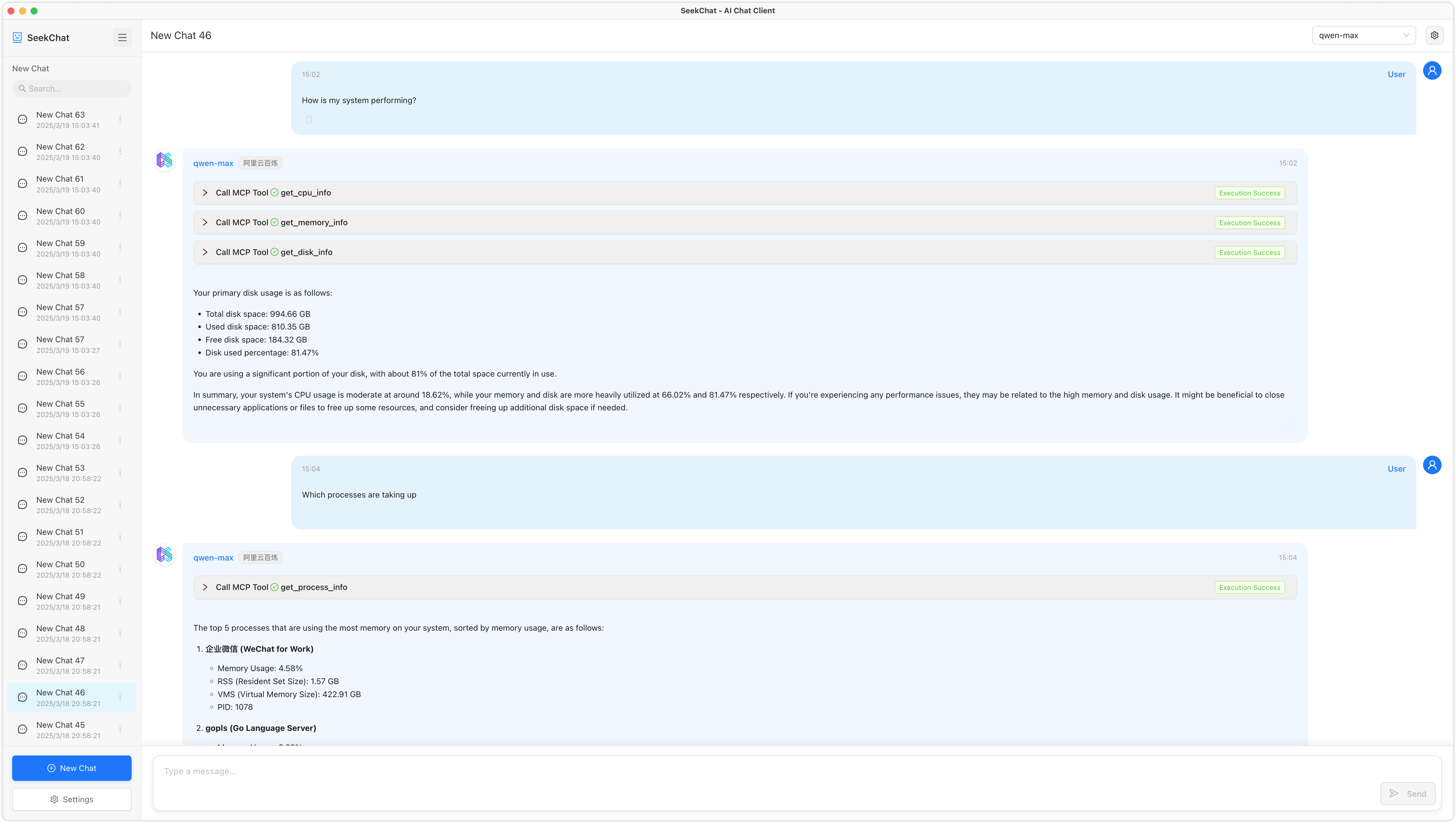
The MCP System Monitor is a monitoring tool designed to expose system metrics such as CPU, memory, disk, network, host, and process information through the Model Context Protocol (MCP). It enables large language models (LLMs) to retrieve real-time system data via an MCP-compatible interface, facilitating seamless integration and system monitoring capabilities for AI applications.
 Invite Gmail Contacts


