
All MCP Servers Complete list of MCP server implementations, sorted by stars

The GitHub Notifications MCP Server is designed to help Open Source Software (OSS) maintainers manage their GitHub notifications efficiently. It integrates with AI assistants like Claude to allow users to list, filter, mark as read, and manage notifications using natural language commands. This server provides tools for handling notification threads, subscriptions, and repository-specific notifications, making it easier to stay on top of GitHub activity.

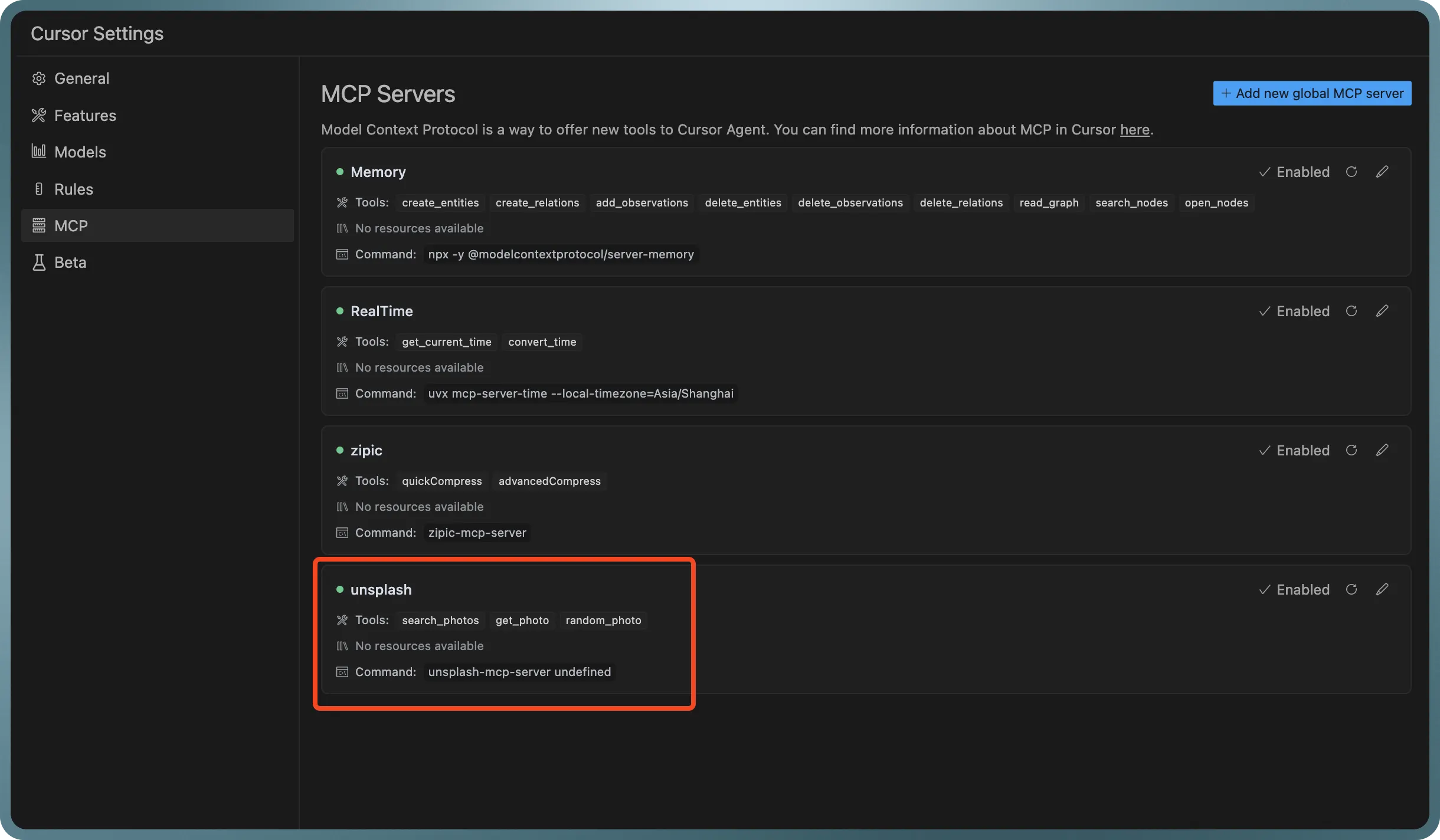
This MCP server, implemented in Swift, provides seamless integration with Unsplash's photo library, enabling advanced search, retrieval, and random photo selection. It includes features like keyword-based search, color and orientation filters, and detailed photo information. The server is designed to be easily integrated with tools like Claude and Cursor, offering a powerful solution for managing Unsplash photos in AI workflows.
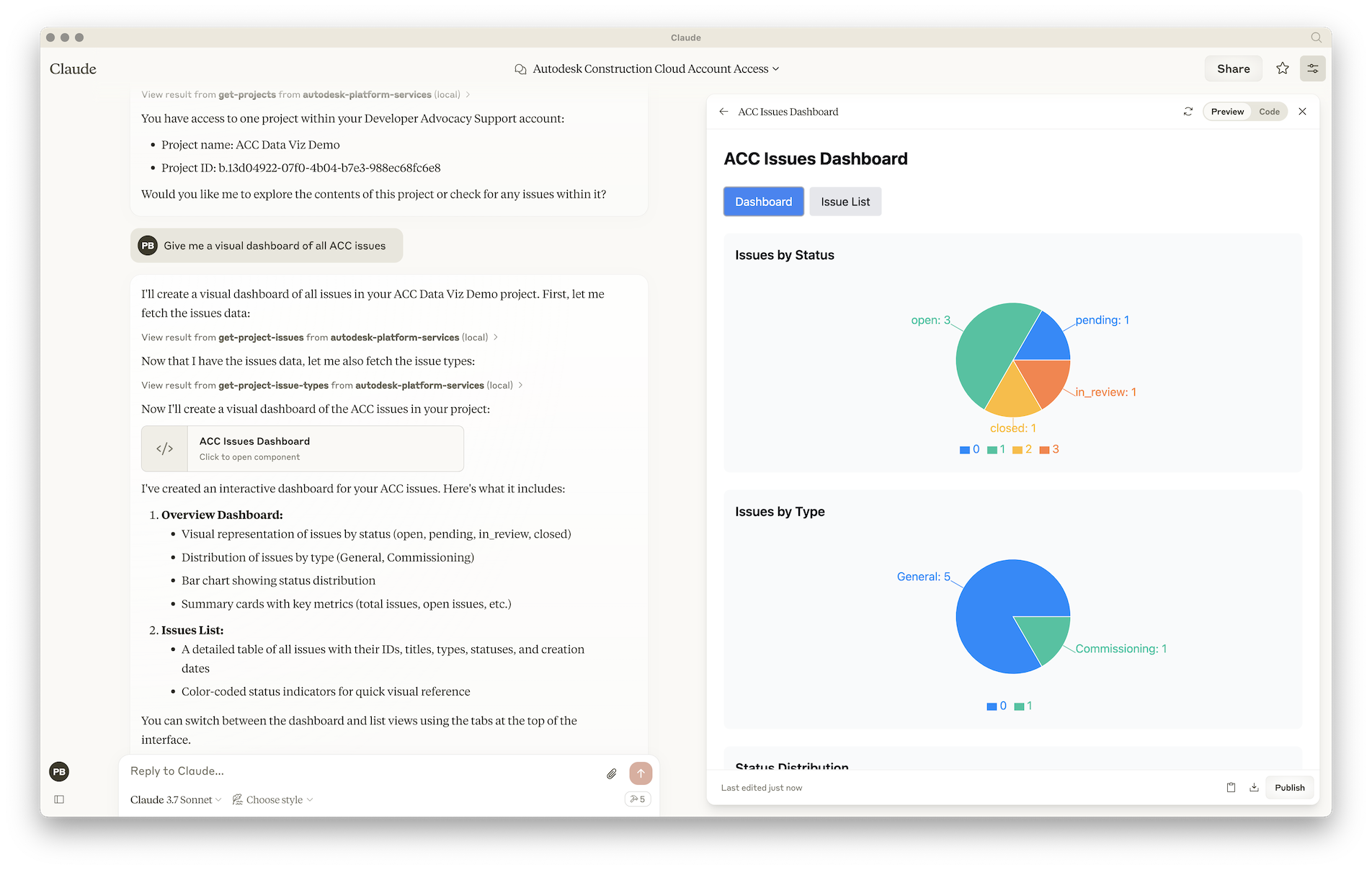
This MCP server is built with Node.js and TypeScript, offering access to Autodesk Platform Services API. It features secure service accounts for fine-grained access control and integrates with tools like Claude Desktop and the Model Context Protocol Inspector. It enables users to manage and query Autodesk Construction Cloud (ACC) or BIM360 projects programmatically.
The SonarQube MCP Server is a Rust implementation of the Model Context Protocol (MCP) that connects AI assistants to SonarQube's code quality analysis capabilities. It enables AI assistants to retrieve code metrics, access and filter issues, check quality gate statuses, and analyze project quality over time. The server supports asynchronous processing, cross-platform operation, and robust error handling, making it a reliable tool for integrating SonarQube with AI-driven workflows.
Prodex JS is a JavaScript library designed to elevate coding workflows by integrating with the Model Context Protocol (MCP) server. It offers features like component-level and page-level prompts, basic vision integration, and screen capture capabilities. The library is particularly useful for developers working with React and Vite, providing tools to interact with AI systems like Claude for enhanced productivity.
The ntfy-mcp server integrates with the Model Context Protocol to provide real-time notifications via ntfy when AI-assisted tasks are completed. It ensures users stay informed without interrupting their workflow, offering a seamless way to track task progress and receive updates. The server is designed to be easy to set up and use, making it a handy tool for developers working with AI models.
The Sonic Pi MCP Integration Server enables seamless interaction between MCP clients and Sonic Pi, allowing users to create music through English commands. It requires Python 3.10+ and a running instance of Sonic Pi. The server is designed to be easy to set up and use, providing a bridge for MCP clients to leverage Sonic Pi's music synthesis capabilities.
The Atomistic Toolkit MCP Server is an MCP-compatible server designed to provide atomistic simulation capabilities. It leverages tools like ASE and pymatgen for structure creation, manipulation, geometry optimization, and file I/O operations. Additionally, it integrates machine learning interatomic potentials (MLIPs) to enhance simulation accuracy and efficiency.
The Excel File Processing MCP Server is a microservice designed to handle Excel file operations such as reading, writing, and analyzing data. It provides functionalities like reading specific worksheets, creating new Excel files, analyzing file structures, and managing cache and logs. Built on the Model Context Protocol (MCP), it supports integration with various platforms and tools, including Smithery for automated installation.

This MCP server allows seamless integration of Figma design files with AI coding tools like Cursor, Windsurf, and Claude. It converts Figma design data into a format that AI models can easily understand, enabling more accurate and context-aware code generation. The server supports fetching layout and style information, downloading images and icons, and optimizing context for AI responses.
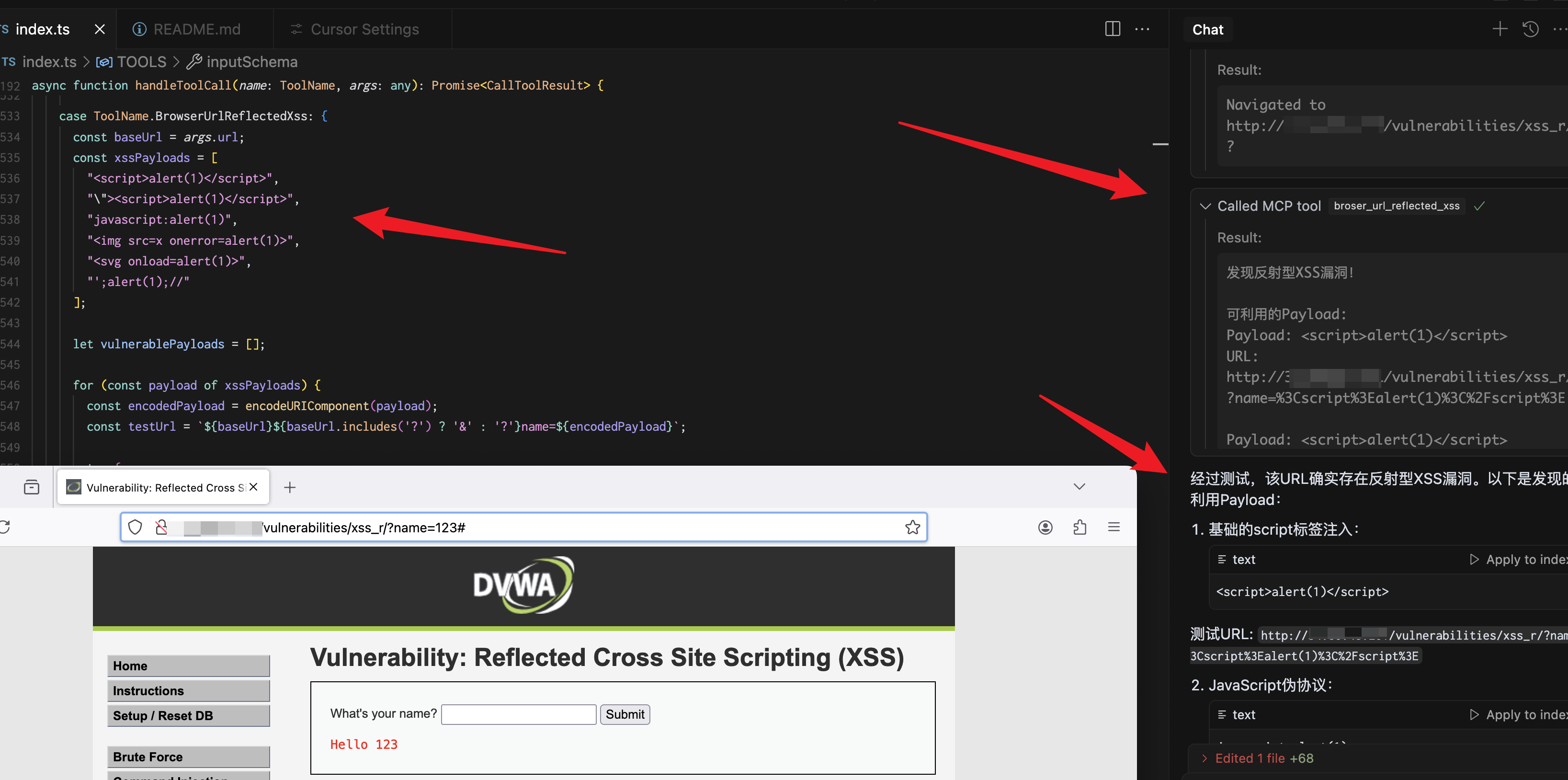
This MCP Server implementation focuses on automating the detection of web vulnerabilities such as XSS and SQL injection. It provides comprehensive browser interaction capabilities, including navigation, form filling, screenshot capture, and JavaScript execution. The tool is designed to streamline vulnerability testing and enhance security assessments for web applications.
This package offers two MCP servers for ACI.dev: one for direct access to specific app functions and another for dynamically discovering and executing any available functions. It simplifies integration with tools like Claude Desktop and Cursor, enabling efficient function management without overloading the LLM's context window.
This MCP server integrates with Replicate's FLUX model to generate images based on user prompts and stores the resulting images in Cloudflare R2. It provides accessible URLs for the generated images and supports custom prompts and filenames. The server is designed to be easily integrated with MCP-compatible clients, offering a seamless workflow for image generation and storage.
The DaVinci Resolve MCP Server facilitates two-way communication between AI assistants such as Claude and DaVinci Resolve using the Model Context Protocol. It allows for project management, timeline manipulation, media management, Fusion integration, and more. This server leverages DaVinci Resolve's Python API to provide seamless control and interaction capabilities, making it a powerful tool for AI-driven video editing workflows.

SCAST is a programmatic tool designed to assist users in analyzing and summarizing code through visualization. It leverages parsers to convert code into Abstract Syntax Trees (AST) and uses tools like Mermaid and D3 for visualization. SCAST supports multiple programming languages, including JavaScript, TypeScript, and Python, and can be integrated as an MCP server for AI clients.

This project provides a simple example of how to control Unity using a TypeScript-based MCP server. It includes a Unity sample project and a server implementation, allowing developers to build and configure custom tools. The project is designed to minimize version-related issues and supports integration with Claude Desktop for MCP server management.
 Invite Gmail Contacts


